Global Crisis of Water Contamination: A Silent Threat to Health and Environment
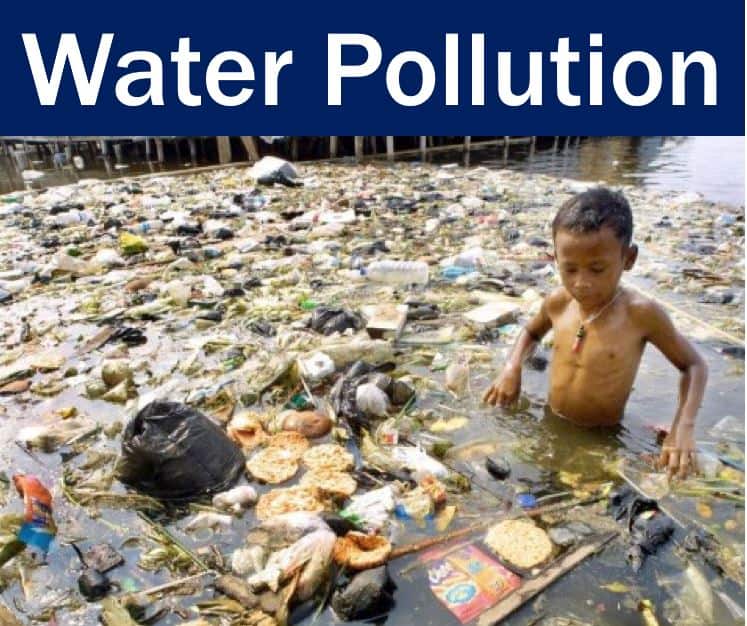
Water is the essence of life, sustaining ecosystems, economies, and human health. Yet, the purity of this precious resource is under severe threat from various forms of contamination, posing a significant challenge to global health and environmental sustainability. This blog post delves into the causes, impacts, and solutions to the pervasive issue of water contamination worldwide.
The Causes of Water Contamination
Water contamination occurs when harmful substances, such as chemicals, microorganisms, and waste, infiltrate water bodies, rendering them unsafe for consumption and ecological functions. Key sources of water contamination include:
Industrial Discharge: Factories and industrial plants often release pollutants, such as heavy metals, chemicals, and toxins, directly into rivers and lakes.
Agricultural Runoff: Pesticides, fertilizers, and animal waste from agricultural activities wash into water bodies, introducing nitrates, phosphates, and pathogens.
Urbanization: Rapid urban development leads to increased stormwater runoff, which carries oil, heavy metals, and other pollutants from streets and buildings.
Improper Waste Disposal: Inadequate waste management systems result in the dumping of household and industrial waste into water sources.
Mining Activities: Mining operations often release acidic water and heavy metals into nearby rivers and streams, leading to severe ecological damage.
Plastic Pollution: Microplastics and other plastic debris contaminate oceans, rivers, and lakes, affecting marine life and entering the human food chain.
The Impacts of Water Contamination
The repercussions of water contamination are profound and multifaceted, affecting human health, ecosystems, and economies.
Health Hazards: Contaminated water is a breeding ground for waterborne diseases such as cholera, dysentery, and typhoid. Long-term exposure to toxic chemicals can lead to chronic illnesses, including cancer and neurological disorders.
Ecosystem Degradation: Pollutants disrupt aquatic ecosystems, harming fish, plants, and wildlife. Eutrophication, caused by nutrient runoff, leads to algal blooms that deplete oxygen in water bodies, killing marine life.
Economic Costs: The economic burden of water contamination includes healthcare costs, loss of productivity due to illness, and the expense of cleaning up polluted water bodies.
Social Impact: Communities reliant on contaminated water sources face social challenges, including displacement, reduced quality of life, and conflicts over access to clean water.

➤🠞 Download Your Free Water Quality Report
Solutions and Mitigation Strategies
Addressing water contamination requires a comprehensive approach involving governments, industries, and communities. Here are some effective strategies:
Regulation and Enforcement: Governments must enforce strict regulations on industrial discharge, agricultural runoff, and waste disposal to prevent pollutants from entering water bodies.
Sustainable Agriculture: Promoting sustainable farming practices, such as organic farming and precision agriculture, can reduce the use of harmful pesticides and fertilizers.
Improved Waste Management: Developing robust waste management systems, including recycling and proper disposal of hazardous waste, can significantly reduce water pollution.
Restoration Projects: Initiatives to clean and restore contaminated water bodies, such as river cleanups and wetland restoration, are crucial for ecological recovery.
Public Awareness: Educating communities about the causes and impacts of water contamination fosters responsible behavior and community involvement in conservation efforts.
Technological Innovation: Investing in advanced water treatment technologies, such as filtration systems and bioremediation, can help purify contaminated water sources.
What are your thoughts on water contamination in your region? Share your experiences and solutions in the comments below!
Download Your Free Water Quality Report

Comments
Post a Comment